
Training Principles is a training poem included in Dong Ying Jie’s 1948 book “Taiji Boxing Explained” (Click Here for Brennan Translation).
Master Alex Dong has agreed to let me use some of this material to help bring awareness to the family art. The video above contains pictures of four generations of Dong family Masters with lines from Alex’s translation of “Training Method”. The background music is my own, feel free to send in yours for future videos.
Online Dong style classes are available at https://dongtaichionline.com/
This is the original Chinese Text
練法
不強用力
以心行氣
步如貓行
上下相隨
呼吸自然
一線串成
變換在腰
氣行四肢
分淸虛實
圓轉如意
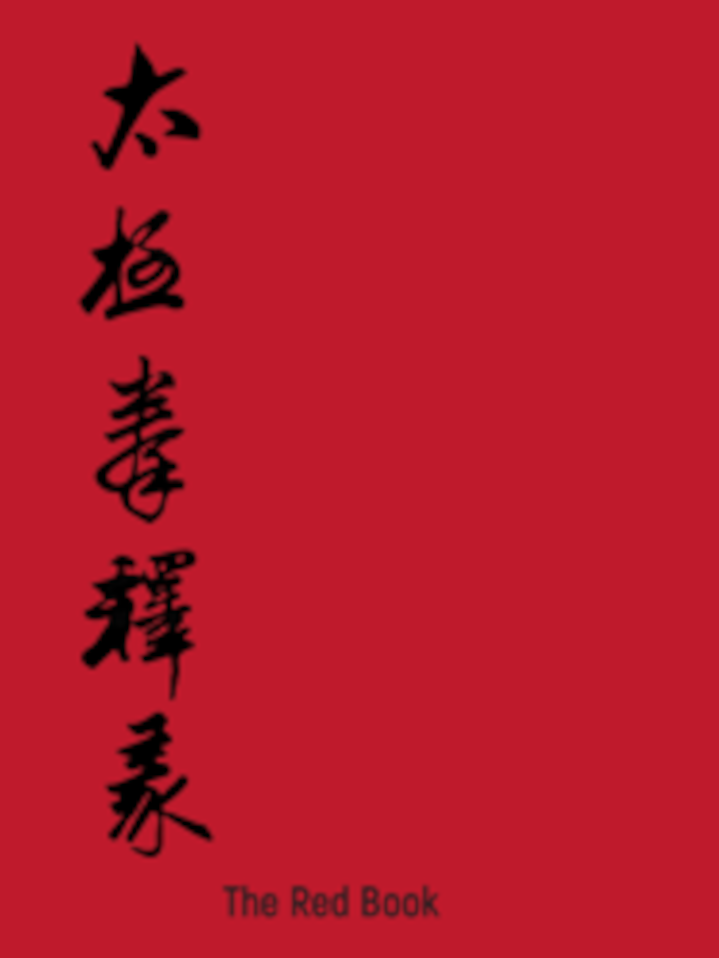
This is 練法 (Liànfǎ) TRAINING METHOD as published in The Red Book (c) 2006 Used with permission
Do not use forceful energy.
Use your heart to move your Qi.
Step like a cat.
Upper and lower body work together.
Breathing is natural.
The body must be treated together.
Changes come from the waist.
Qi circulates to the four limbs.
I was curious about some of the wording so I looked into Brennan’s Translation:
TRAINING PRINCIPLES
Avoid using exertion.
Use mind to move energy.
Step like a cat.
Above and below coordinate with each other.
Breathe naturally.
Move in a continuous flow.
Changes occur primarily at the waist.
Energy flows into the limbs.
Clearly distinguish between emptiness and fullness.
Rounded postures mean effortless techniques.
I was interested in the differences between them like heart/mind, which of course I’m thinking must be Xin, but don’t want to assume AGAIN, so I translated the Chinese characters individually and tried to use the words that have become more common and familiar jargon for advanced students.
練法 (Liànfǎ) TRAINING PRINCIPLES
from TAIJI BOXING EXPLAINED 太極拳釋義 by Dong Yingjie 董英傑
不強用力 (Bù qiáng yòng lì)
Avoid using 力 (Lì) – Strength.
以心行氣 (Yǐ xīn xíng qì)
Use 心 (Xīn) – Mind/Heart to move 氣 (Qì) – Energy/Qi
步如貓行 (Bù rú māo xíng)
Step like a cat.
上下相隨 (Shàngxià xiāngsuí)
Above and below coordinate with each other.
呼吸自然 (Hūxī zìrán)
Breathe naturally.
一線串成 (Yīxiàn chuàn chéng)
Movements are strung together and continuous.
變換在腰 (Biànhuàn zài yāo)
Changes occur primarily at the 腰 (Yāo) – Waist.
氣行四肢 (Qì xíng sìzhī)
氣 (Qì) – Energy/Qi flows into the limbs.
分淸虛實 (Fēn qīng xū shí)
Clearly distinguish between emptiness and fullness.
圓轉如意 (Yuán zhuàn rúyì)
Rounded postures turn effortlessly.


Leave a Reply